
11 Aug 2025
Crete on the Rise: The Island’s Infrastructure Boom Is Reshaping Its Future
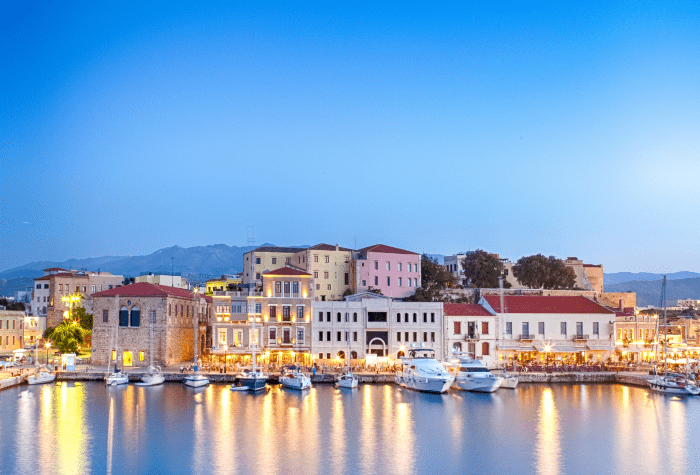
For decades, Crete has been known as a land of natural beauty, ancient history, and vibrant culture. But today, a new chapter is unfolding — one that’s turning the island into a dynamic hub for large-scale infrastructure development and private investment. With over €5 billion worth of public works underway or planned, Crete is poised to become one of the most strategically developed regions in Southern Europe by the end of the decade.
A New Era of Connectivity
At the heart of this transformation lies a massive highway project that stretches from Kissamos in the west to Agios Nikolaos in the east — and eventually, all the way to Sitia. This upgraded highway aims to replace Crete’s outdated road system with a modern, safe, and efficient motorway, opening the door to easier transport, reduced travel time and a boost in regional trade and tourism.
As of mid-2025, three major highway segments have already been contracted and are under active construction. Collectively, they represent the largest road infrastructure project currently underway in Europe. Once completed, the new expressway will serve as the island’s development backbone, supporting everything from logistics to real estate.
A New International Gateway
Crete’s transformation is also taking flight — literally. A state-of-the-art international airport is under construction in the area of Kastelli, set to replace the existing Heraklion airport. With over 60% of the work already completed and operations expected to begin around 2028, this new hub is designed to handle significantly more passenger traffic and provide a much more pleasant traveler experience.
Spanning over €700 million in investment, this is the largest airport project in Greece and one of the biggest in Southeast Europe. The airport’s opening will further boost Crete’s appeal to global tourists, investors, and airlines alike.
Greener, Smarter Energy
Another transformative project already operational is Crete’s electrical interconnection with mainland Greece. The completion of a high-capacity underwater power cable has ended the island’s energy isolation, reducing dependence on local fossil fuel plants and paving the way for more renewable energy integration. The benefits? Lower emissions, more stable energy supply, and reduced electricity costs for residents and businesses.
Supporting Education & Local Communities
Significant investment is also flowing into education infrastructure. A new generation of university student housing is under development in both Heraklion and Rethymno, aiming to enhance living conditions and support academic life for thousands of students.
Meanwhile, multiple water management projects — including dam construction and irrigation system upgrades — are being launched across the island to address long-standing agricultural and environmental challenges. These projects aim to safeguard water resources, mitigate flood risks and strengthen the local farming economy.
What’s Next?
Crete’s infrastructure boom is far from over. In the coming years, additional plans include new school complexes, upgraded courthouses, an expanded port terminal in Souda, and advanced irrigation systems in regions like Gerakari and Platy.
Whether you’re a visitor, a business owner, or a prospective investor, one thing is clear: Crete is changing — fast and for the better. The combination of improved accessibility, modern utilities, and sustainable design is positioning the island not just as a top Mediterranean destination, but as a forward-thinking region ready to embrace the future.
So, if you’ve ever dreamed of living, investing, or starting a business on one of Europe’s most iconic islands — now may be the perfect time to take a closer look at Crete.