
20 Oct 2025
Green Light for the Chania–Kissamos Highway Upgrade: A Major Boost for Real Estate and Quality of Life in Western Crete
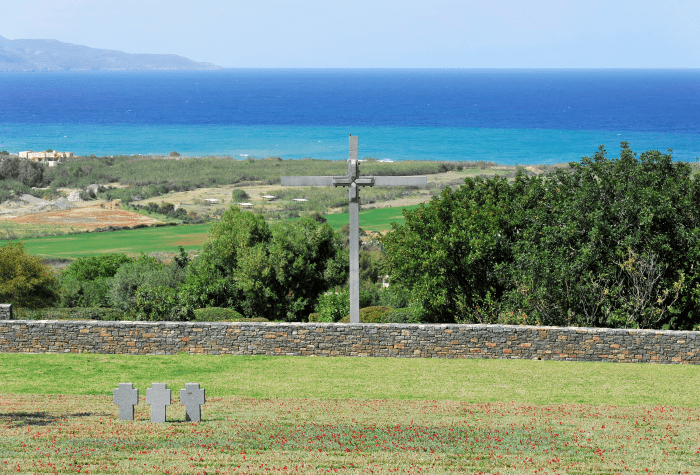
The long-awaited approval of the environmental study for the Chania–Kissamos section of the Northern Road Axis of Crete (BOAK) marks a decisive step toward transforming western Crete’s infrastructure and investment potential. The Central Archaeological Council (KAS) recently gave the green light for the 30.4-kilometer project.
With an estimated cost ranging between €200–250 million, this section will be one of the most strategic infrastructure upgrades for the Kissamos region in decades. Once completed, it will connect Kissamos to the rest of Crete through a modern, high-speed and environmentally efficient road network — a development that carries major benefits for residents, visitors and, importantly, real estate investors.
A Project of Strategic Importance
The BOAK project is one of Greece’s largest infrastructure investments, with total costs approaching €2.5 billion when all sections are included:
- Chania–Heraklion: approx. €1.75 billion
- Chania–Kissamos: up to €250 million
- Hersonissos–Neapoli: €350 million
- Neapoli–Agios Nikolaos: €180 million
The investment is expected to reach €219.3 million, with total project funding (including public and private participation) rising to €243.5 million. The state’s contribution of €99 million highlights the government’s commitment to developing western Crete’s infrastructure and economic prospects.
Improved Accessibility and Sustainability
The new Chania–Kissamos highway will resolve long-standing issues of congestion, road safety and air pollution caused by slow-moving traffic on the current route — particularly during the busy summer months. The average driving speed is projected at 89 km/h, ensuring faster, safer and smoother travel between the two destinations.
In addition to reducing travel time, the project will improve access to major ports, airports and industrial zones, while facilitating tourism and trade. Environmentally, the reduction of vehicle emissions and the implementation of modern construction standards align with Crete’s broader sustainability goals, making the island even more attractive for eco-conscious residents and investors.
Preserving Crete’s Heritage While Building the Future
A key element of the approval process was balancing infrastructure progress with the preservation of Crete’s cultural and natural heritage. The Ephorate of Antiquities of Chania approved the project with conditions to reroute the road near Nopigia–Koleni to protect an archaeological site. Similarly, the Service for Monuments and Technical Works emphasized safeguarding traditional buildings, while the Ephorate of Paleoanthropology and Speleology requested special monitoring in Melissourgeio and Platanias, where rock shelters have been found.
These precautions reflect a development model that respects local identity — a vital quality for investors and property developers aiming to promote high-value, sustainable communities that blend modern comfort with cultural authenticity.
A Catalyst for Lifestyle and Real Estate Growth in Kissamos
For residents and investors alike, the benefits are clear. Enhanced road connectivity transforms Kissamos from a remote coastal town into a conveniently accessible destination within Crete’s most promising real estate corridor. Improved infrastructure typically translates into higher property values, greater rental demand and stronger investor confidence.
Kissamos already offers a unique combination of natural beauty, authenticity and affordability compared to Chania city. With the new BOAK section, its accessibility to key amenities — from international airports to luxury resorts and marinas — will rival that of other Mediterranean destinations. For property owners, this means not only easier access but also increased long-term appreciation of real estate assets.
Moreover, smoother transport links encourage year-round tourism, supporting the development of boutique hotels, modern holiday residences and sustainable housing projects. For lifestyle-oriented investors, this creates an opportunity to own or develop properties in a serene coastal environment that remains connected to the island’s main urban centers.
The approval of the environmental study for the Chania–Kissamos highway represents more than just a transportation upgrade. It is a milestone in Crete’s evolution toward a more connected, sustainable and investment-friendly future.
For Kissamos, it signals the beginning of a new era — one where modern infrastructure enhances quality of life, stimulates the local economy and strengthens the area’s position as one of the most attractive real estate destinations in the Mediterranean.
As the project progresses, investors and developers who recognize its transformative impact early will be best positioned to benefit from the renewed momentum in western Crete’s property market.