
22 Jan 2026
Energy-Efficient Homes in Greece: Do Buyers Actually Care in 2026?
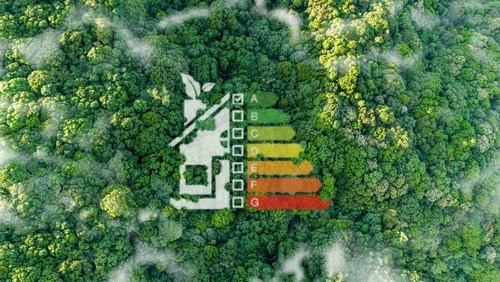
Introduction: Sustainability Meets Lifestyle in 2026
Energy efficiency is no longer just a “green” choice — it’s rapidly becoming a key factor in property value, long-term costs, and lifestyle comfort in Greece.
Yet, many developers and marketers still wonder: Do buyers actually care?
In this article, we examine how attitudes toward energy-efficient homes have evolved, why buyers are increasingly valuing them, and what this means for investors and lifestyle seekers in 2026.
1. Why Energy Efficiency Matters in Greece Today
Energy-efficient homes offer tangible benefits:
- Lower utility bills — electricity and heating costs are rising in Europe.
- Comfortable year-round living — better insulation and climate control.
- Environmental responsibility — appeals to younger and international buyers.
- Resale appeal — energy-labeled properties sell faster and often command higher prices.
In 2026, buyers are calculating total cost of ownership, not just purchase price.
2. Buyer Awareness Is Increasing
Foreign Buyers
- Remote workers and retirees care about comfort and cost predictability.
- Many are comparing Greek properties to their home countries, where energy efficiency is standard.
Local Buyers
- Increasing awareness of rising energy costs is shaping decisions.
- Government incentives for energy-efficient upgrades (tax deductions, subsidies) are adding appeal.
Key insight: Energy efficiency is becoming a decision factor, especially for long-term or hybrid-living buyers.
3. What Buyers Look For in Energy-Efficient Homes
- High-performance insulation
- Double/triple-glazed windows
- Solar panels or renewable energy integration
- Modern HVAC and smart climate systems
- Passive cooling/heating design
Bonus: Homes with certifications like EPBD energy class labels or EU Green certifications increase buyer confidence.
4. Does It Affect Buyer Choice?
Yes — but context matters:
- Hybrid living / long-stay buyers: care a lot. They plan to stay months at a time and want predictable bills.
- Holiday-home-only buyers: care less, especially if they spend only a few weeks per year in the property.
- Investors aiming at rentals: care moderately — energy efficiency can improve occupancy and appeal to eco-conscious renters.
Trend: Energy efficiency is now increasingly factored into price per m² and location decisions.
5. Price Premiums for Energy-Efficient Homes
While premiums vary, in 2026 you can expect:
| Property Type | Typical Premium vs Standard Build |
| Newly built, certified energy-efficient | 5–15% |
| Renovated with modern energy upgrades | 3–10% |
| Passive house / smart home | 10–25% |
Buyers are willing to pay slightly more for lower operational costs and long-term comfort.
6. How Developers Should Respond
- Highlight energy efficiency in marketing: Don’t hide it as a “technical feature.”
- Provide cost savings projections: Show monthly/yearly utility savings.
- Certify & label: Energy performance certificates or green building certifications build trust.
- Integrate smart features: Remote monitoring of energy use appeals to hybrid-living buyers.
7. Future Outlook: Energy Efficiency as a Standard
- By 2027–2028, energy-efficient homes in Greece will likely be the norm rather than the exception.
- Buyers will start expecting these features, not just considering them a bonus.
- Early adopters now enjoy better comfort, lower costs, and stronger resale appeal.
Conclusion: Buyers Do Care — Especially for Lifestyle & Hybrid Living
In 2026, energy-efficient homes in Greece are more than a marketing buzzword. They influence:
- Buyer choice
- Long-term costs
- Resale potential
- Overall lifestyle satisfaction
For developers and agents, energy efficiency is a differentiator, not just a “nice to have.”