
25 Jan 2026
Holiday Homes vs Hybrid Living Homes: The New Buyer Preference in Greece
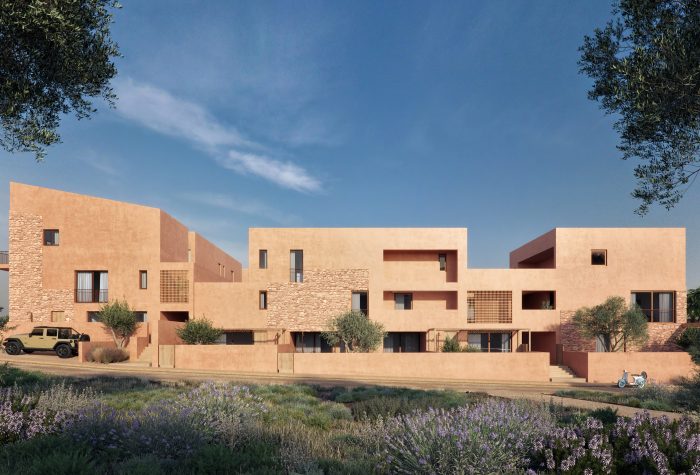
Introduction: A New Way of Using Property in Greece
For years, foreign buyers in Greece followed a familiar path: purchase a holiday home, use it for a few weeks in summer, and rent it out short-term the rest of the year.
Post-2025, that model is shifting.
A growing number of buyers are now looking for hybrid living homes — properties designed for remote work, extended stays, and flexible personal use, while still functioning as vacation homes when needed.
This change is redefining what “ideal property” means in Greece.
What Is a Traditional Holiday Home?
A classic holiday home is typically:
- Used primarily in summer
- Located close to beaches or tourist hotspots
- Designed for short stays rather than daily living
- Focused on views, outdoor areas, and proximity to attractions
Buyer mindset:
“I want a beautiful place for holidays — rental income is a bonus.”
These homes still have demand, but they no longer dominate buyer preference.
What Is a Hybrid Living Home?
A hybrid living home is designed for both vacation and real life.
It supports:
- Remote work
- Long seasonal stays (3–9 months)
- Everyday routines, not just leisure
Typical features include:
- Dedicated workspace or flexible interior layouts
- Reliable internet and infrastructure
- Easy access to services (markets, healthcare, cafés)
- Year-round usability, not just summer appeal
Buyer mindset:
“I want to live well here — and still feel like I’m on vacation.”
Why Buyers Are Moving Toward Hybrid Living Homes
1. Remote Work Is No Longer Temporary
What began as a pandemic-driven shift has now become permanent for many professionals. Buyers are no longer choosing destinations only for holidays — they’re choosing places they can function from.
Greece offers:
- Strong lifestyle appeal
- Affordable living compared to Western Europe
- Climate suited for long stays
Hybrid homes fit this reality better than seasonal-only properties.
2. Lifestyle ROI Is Replacing Pure Rental ROI
Buyers increasingly evaluate return on investment differently:
- Fewer weeks of maximum rental income
- More months of personal use
- Higher value placed on well-being, climate, and daily comfort
In many cases, personal lifestyle return outweighs short-term yield optimization.
3. Location Preferences Are Changing
Hybrid buyers favor:
- Coastal towns with year-round life
- Areas close to small cities or ports
- Neighborhoods with services, not just resorts
This is why secondary coastal locations are gaining traction over overcrowded tourist hubs.
Holiday Home vs Hybrid Living Home: Key Differences
| Feature | Holiday Home | Hybrid Living Home |
| Primary Use | Short stays | Long stays + work |
| Rental Focus | High season | Optional / selective |
| Layout | Leisure-oriented | Functional + flexible |
| Infrastructure Needs | Basic | Strong (internet, access) |
| Buyer Profile | Investor / vacationer | Remote worker / lifestyle buyer |
| Seasonality | High | Low |
Who Is Choosing Hybrid Living Homes?
Hybrid living buyers typically include:
- Remote professionals from Europe and the U.S.
- Semi-retired couples
- Families seeking long school holidays abroad
- Entrepreneurs combining business and lifestyle
Age-wise, this group often falls between 35–60, with strong purchasing power and long-term outlook.
What This Means for Developers & Sellers
Properties that perform best in 2026:
- Offer quality construction and insulation
- Have flexible interior layouts
- Are located in areas with real communities
- Can be used comfortably year-round
Marketing should focus less on:
“Perfect Airbnb investment”
And more on:
“Live, work, and unwind in Greece”
Is the Holiday Home Market Dead? Not at All.
Holiday homes still make sense for:
- Buyers focused purely on leisure
- High-end waterfront properties
- Short-term rental specialists
But the growth segment of the market clearly belongs to hybrid living homes.
Conclusion: A More Mature Buyer Has Arrived
The shift from holiday homes to hybrid living homes reflects a more intentional, informed, and lifestyle-oriented foreign buyer.
In Greece, property is no longer just a destination — it’s becoming a way of life.