
12 Aug 2025
Seaplanes Over the Aegean: A New Era for Transportation, Tourism, and Investment Opportunities
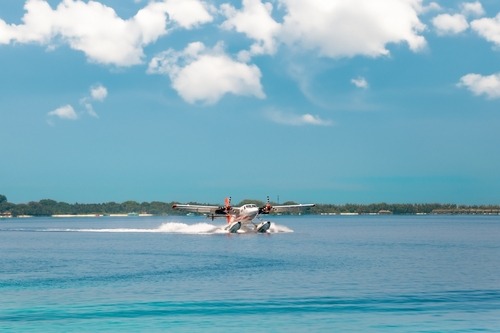
Greece’s network of water airports is rapidly expanding, ushering in a transformative era in island connectivity. This shift is opening up fresh opportunities for tourism growth, real estate development, and local entrepreneurship across the Aegean and beyond.
Hellenic Seaplanes, a pioneer in the sector, is developing a fully integrated air-sea transportation network that will connect islands, ports, lakes, and coastal cities. Through its extensive Hellenic Water Airports network, the project aims not only to enhance mobility but also to stimulate visitor traffic, boost business activity and strengthen regional cohesion.
First Seaplane Landings: Patmos and Skyros Set the Tone
The first-ever seaplane landing in Patmos, at the port of Skala, marks a milestone moment for the island. Mayor Nikitas Tsampalakis was onboard the inaugural flight, highlighting its strategic importance for Patmos and the Dodecanese.
Direct seaplane connections bring Patmos significantly closer to Athens and nearby islands like Samos and Leros, dramatically reducing travel time. These new routes offer an attractive alternative for upscale tourism and real estate investment—two sectors that have long been held back by limited accessibility.
A similar milestone was achieved in Skyros, which now joins the operational schedule and strengthens the development prospects for the broader North Aegean region.
Upgraded Infrastructure – Lower Costs – New Market Potential
According to Nicolas Charalambous, CEO of Hellenic Seaplanes, the seaplane is more than just a novel mode of transport—it’s the safest and most versatile aviation solution for Greece’s unique geography. Ideal for remote islands and areas with poor ferry links or limited infrastructure, seaplanes offer competitive pricing: a one-way Athens–Patmos flight is expected to cost around €150, while shorter inter-island trips will be priced from €50–60, making them easily integrable into tourism and short-term rental packages.
The business model includes the establishment of dedicated seaplane bases at key island and coastal locations across Greece. Destinations such as Rhodes, Leros, Lesvos, and Samos are already part of the schedule, with additional routes to be added soon.
Crete Poised to Become a Regional Seaplane Hub
Crete is emerging as a key player in this new transportation landscape. The Sitia water airport has already received full licensing, while additional water airports in Ierapetra, Rethymno, and Kissamos are currently in the licensing pipeline.
Once completed, this network will position Crete as a strategic hub for air-sea mobility, offering direct connections to the South Aegean islands, the Peloponnese, and the Athens metropolitan region. The potential impact on tourism, local economies and private investment in vacation homes, hotels, and marinas is substantial.
A New Era Has Just Begun
The return of seaplanes to Greek skies is not just a transportation innovation—it’s part of a broader vision that ties together sustainable mobility, tourism development, and regional investment. As key destinations go live and dozens more enter the pipeline, Greece is entering a new phase—one where air routes begin and end at sea.